
Irrigation Evolution in Nepal
Irrigation
The central challenge for rural development in Nepal is to shift from a subsistence to a commercial economy in an environment characterized by widespread and day-to-day insecurity and violence.
Agriculture is the principal source of food, income, and employment for the majority, particularly the poorest. Growth in agriculture is, therefore, crucial for reducing poverty, and preliminary findings from the National Living Standards Survey indicate that despite the insurgency, the sector has made a significant contribution to poverty reduction.
However, agriculture is largely based on low-value cereals and subsistence production, with a mere 13 percent of output traded in markets. The sector’s current 40 percent share in national GDP is declining, although there is considerable scope for increasing productivity and value-added.
Despite an increasing reliance on remittances from laborers abroad, the absence of economic opportunities outside subsistence agriculture keeps most Nepalese poor, and is widely cited as a factor in the current Maoist insurgency in rural areas, which further limits prospects for development, causing a vicious cycle of poverty in rural areas.
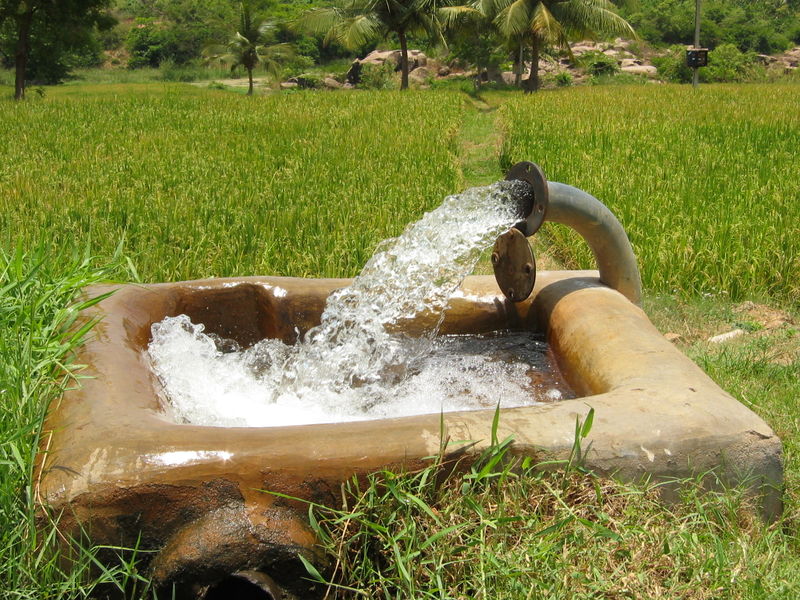
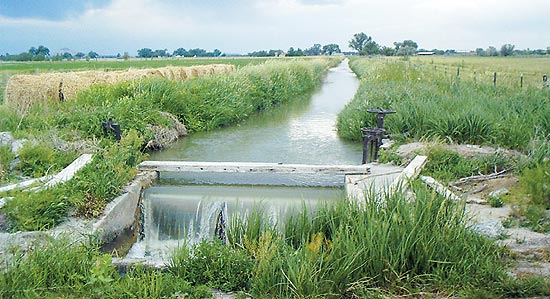
IEfficient exploitation of water resources: Despite significant expansion in the 1990s, Nepal has not reached its irrigation potential. Less than 40 percent of cultivable land is irrigated (only 17 percent year-round), while there is potential to reach two-thirds. Institutional problems and inefficient pricing and fee collection mechanisms result in only 3 percent of operations and maintenance costs being recovered, severely threatening the sustainability of large schemesin the Terai.
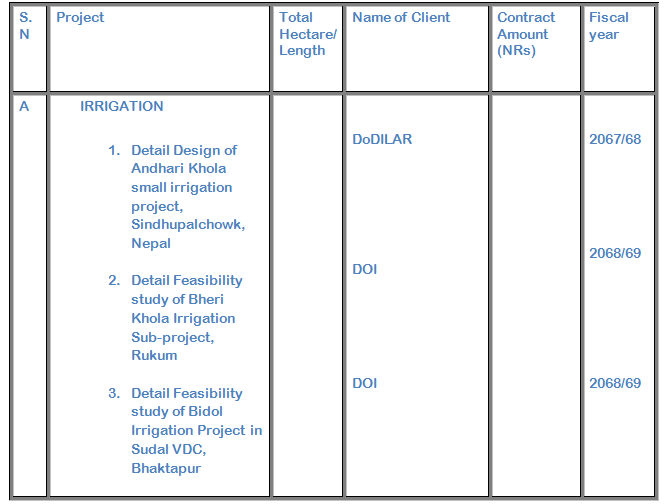
Irrigation Complected Project
pictutres
 <
<